Today was my last day shadowing as my independent study was cut short by a mandatory orientation at Penn State. This morning started early, around 7 am with a drive down to the Amtrak station in Lancaster, PA. I arrived at the station 30 minutes early to find that there was no long term parking left. Frantically, I drove around for another 15 minutes waiting for someone else to leave, but with a train approaching and still no parking, I asked a man walking out and he suggested I just park in the employee lot, so luckily I got a parking spot AND free parking.

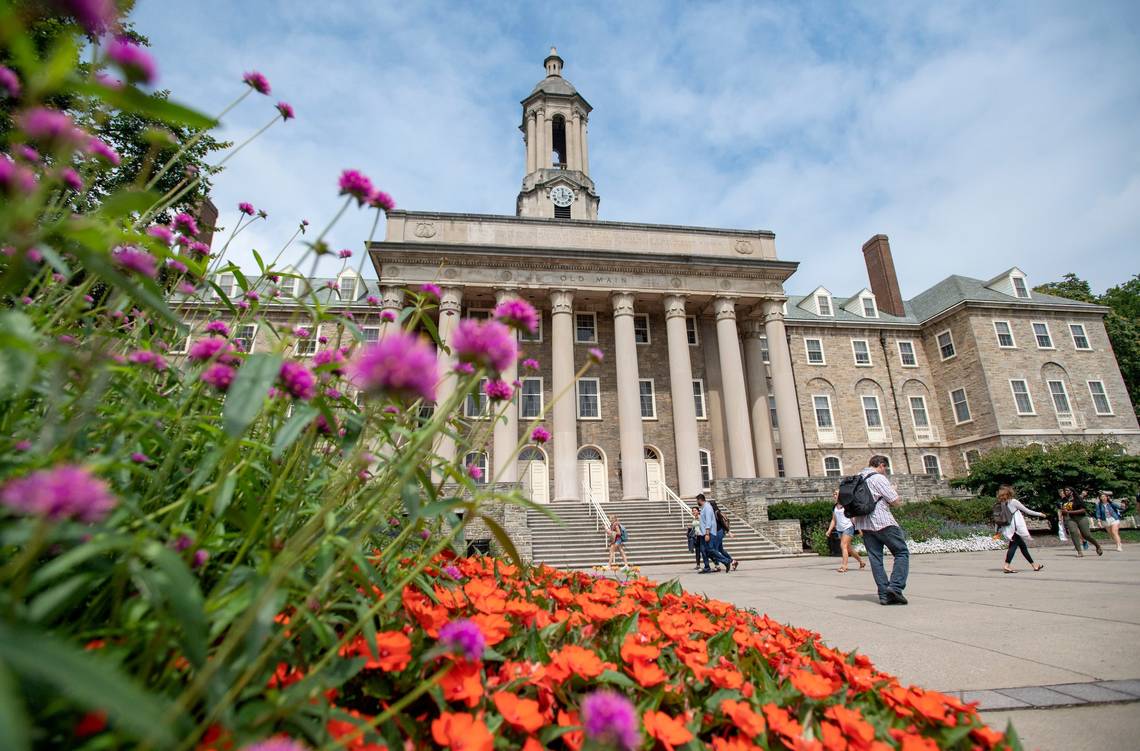
As I was waiting for the train to arrive, I ran into the same man that helped me with parking, and started talking to him regarding where he was headed; turns out, he’s a Penn State alum and a retired Penn State Professor, so he gave me some tips about State College and how to manage the workload while enjoying what the university has to offer.
Once on the train, the ride took about an hour and went through the farms of Central Pennsylvania. I got off at 30th Street Station, about a mile from the headquarters I was supposed to meet the biomedical engineer at (keep in mind it was 87 degrees out and I was wearing heels). I met him in the lobby of The BNY Building as the executive floor was just offices, so there wasn’t much to see.

He took me out for lunch at a local pizza place and I inquired about his path from college to working at headquarters at the young age of 30. He attended a university in Southern India for his undergraduate degree and then attended graduate school in Long Island. During his time in graduate school he worked on research with his professor and two other peers. Not thinking much of his research at the time of graduation, he began applying to jobs in The United States but none of the companies were offering his desired starting salary to him due to his need for a Green Card. He decided that instead of settling, he would patent and create his own start up company based on the research he had done with his professor.
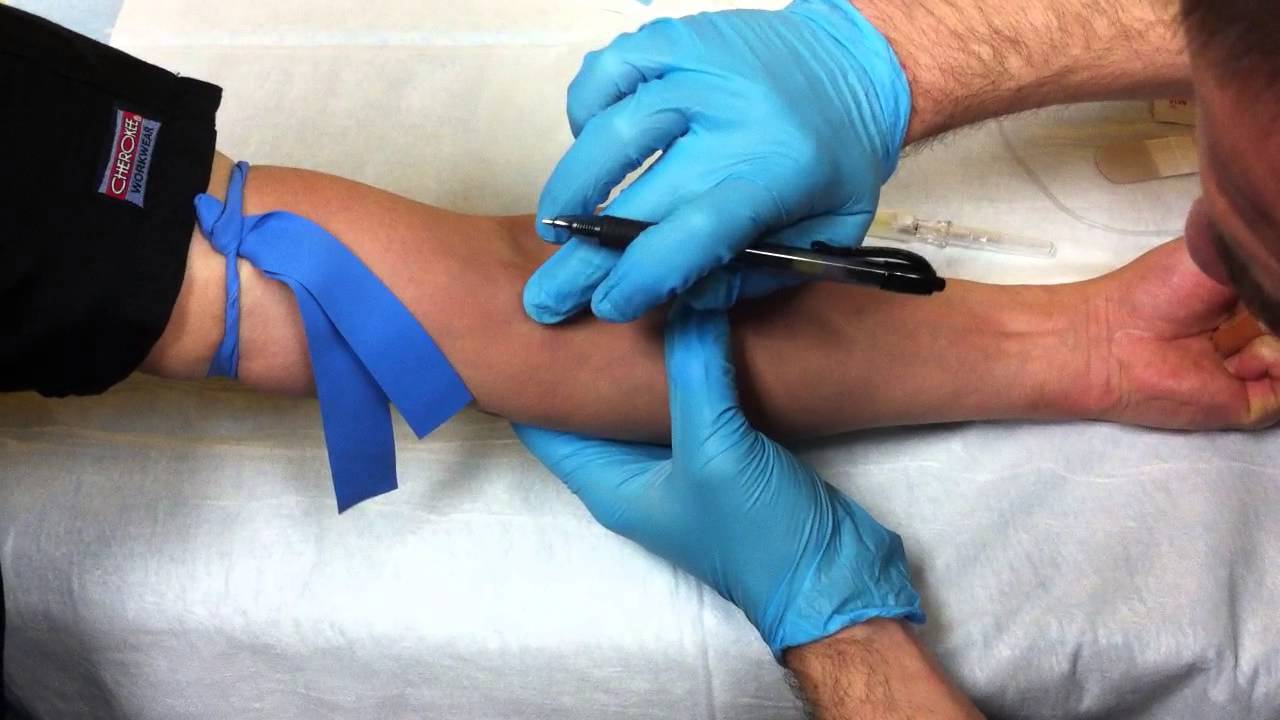
The product developed was a solution with a much lower concentration of metal than that in our current MRI injection. To give you some background, an MRI works by injecting a highly concentrated metal solution into the bloodstream then using a large machine to send magnetic waves through the body and identify places where tumors reside. The issue with this is that people with kidney problems cannot process these hard metal solutions. He invented a solution with 85% less metals that is just as, if not more effective. After 5 years of working on and developing his start-up, after finishing the small animal testing, he sold his share of the start-up to a major biomedical company, and moved on to work for Carpenter.
I inquired about what an average work day looks like for him and his response shocked me. That day, he had a department meeting from 8 to 9, three separate product meetings from 9 to 12:30, then a quick lunch break, and a conference call from 2 to 3 followed by a staff meeting from 3 to 5. Long story short, his work day is almost entirely meetings.
After learning much about him, he asked me about my plans for college and I explained to him that I was going to major in chemical engineering with a minor in an undecided business field. He was very supportive of my major choice, and highly suggested that if I want to make big money in my future, I should do my best to double major in finance and chemical engineering. With both majors under my belt, it would then be possible to work for a major pharmaceutical company and manage their expenses, which sounded to me like a dream job.
Overall, working with Gharuv was incredibly helpful in realizing and confirming what I’d like to do with my future.







 Applications of Alloys